Explore my thoughts, experiences, and insights.
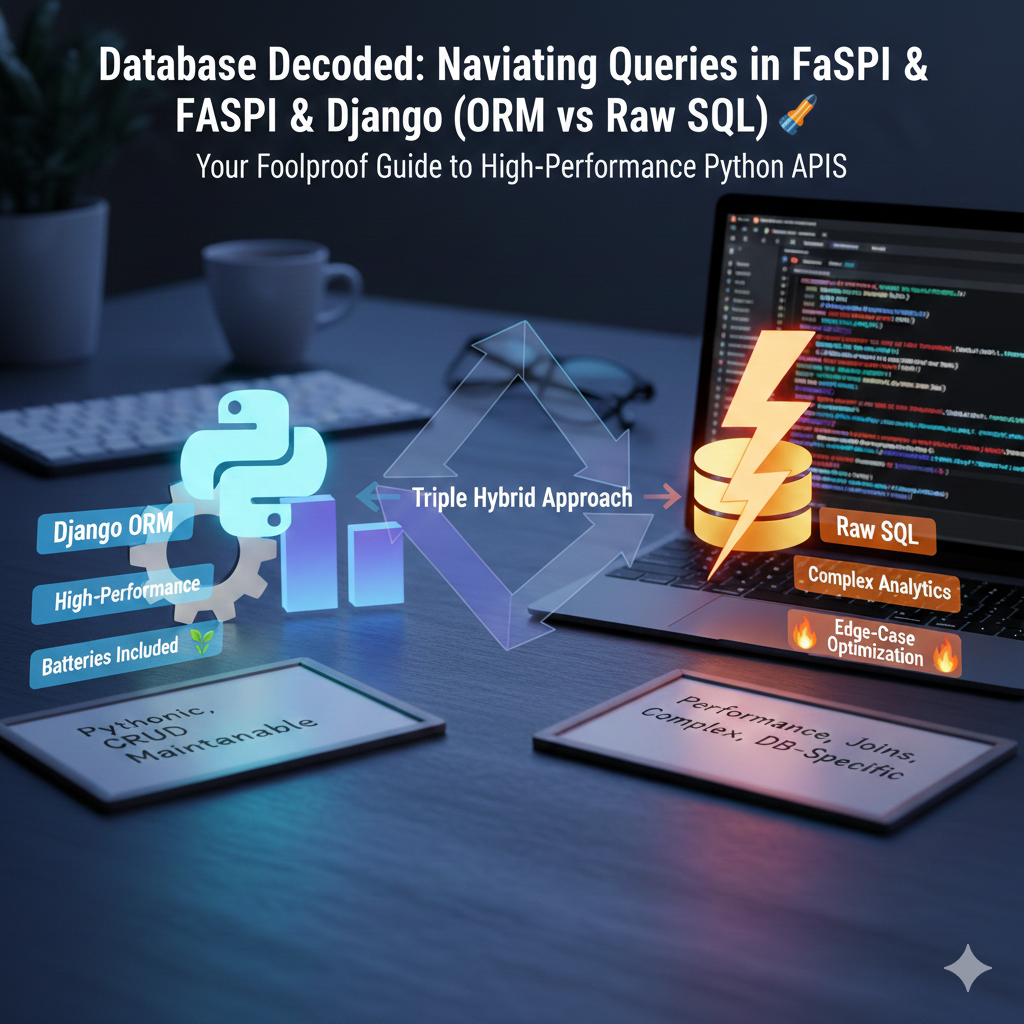
Database Decoded: Navigating Queries in FastAPI & Django (ORM vs. Raw SQL) 🚀
Ever wondered why your API feels fast in development but slow in production? 🤔 The secret often lies in how you talk to your database. In this deep dive, we expose the real battle between FastAPI + SQLAlchemy, Django ORM, and Raw SQL — the hidden performance traps, the “magic” behind ORMs, and the optimization tricks senior engineers actually use. If you want cleaner queries, faster responses, and a foolproof strategy to balance speed with flexibility, this is the guide you don’t want to miss. 🚀
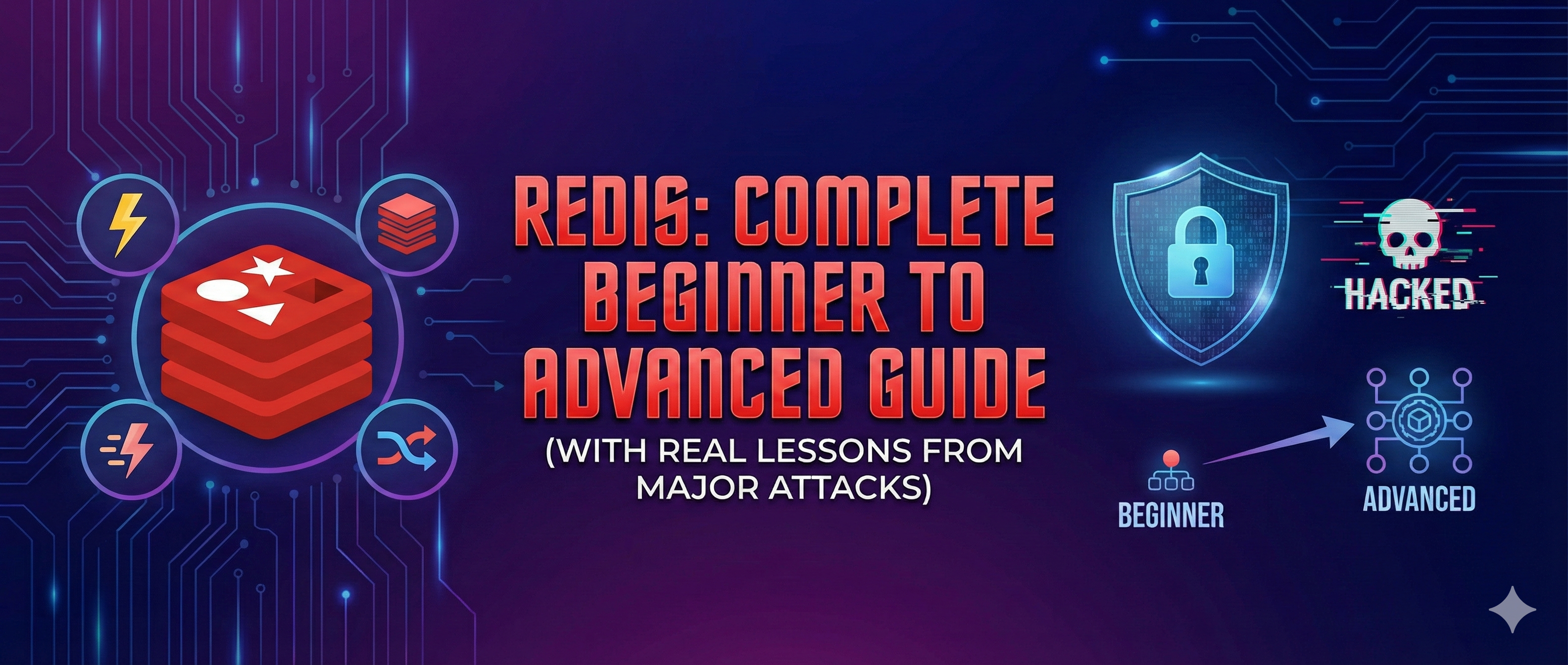
🔴 Redis: Complete Beginner to Advanced Guide (With Real Lessons From Major Attacks)
This blog provides a complete, beginner-to-advanced overview of Redis 🚀, one of the most powerful in-memory data stores used in modern backend development. It explains what Redis is, how it works, and why it is extremely fast compared to traditional databases ⚡. The blog also covers Redis data structures, persistence methods, and advanced features like Redis Streams for real-time event processing 📡 and Redis Geospatial for location-based data handling 🌍. It explores real-world use cases such as caching, session storage, rate limiting, and messaging systems 💬. Additionally, the blog discusses Redis alternatives and highlights major security attacks caused by misconfigured Redis servers 🔐, along with important production safety lessons. Overall, it helps developers understand how to use Redis efficiently and securely in scalable applications 🧠.
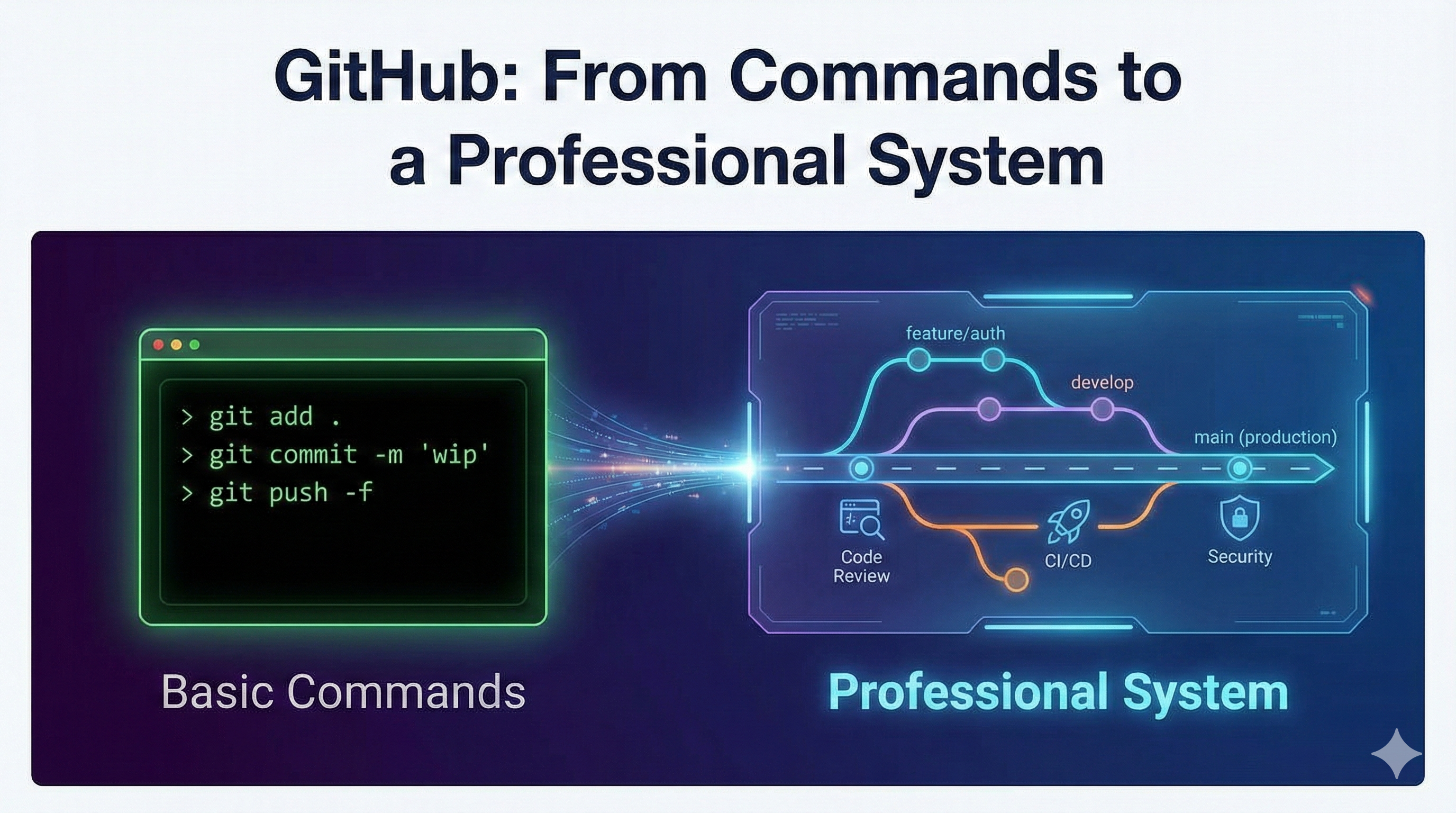
GitHub Is Not Just About Commands: How to Manage It Properly Like a Professional
💡 Many developers think GitHub is just about commands like git commit and git push, but in reality it’s about how you think and work as an engineer 🧠. Branches show intent 🌿, commits tell a story 📖, and what you don’t commit (like .env files or virtual environments) is just as important 🔐. Managing GitHub properly means planning before coding, keeping history clean, and building systems that scale over time 🚀. I recently wrote a blog on why GitHub is more than just commands and how treating it as a system can improve your engineering mindset — worth a read if you’re building real-world projects 👨💻✨.

😲 Most People Don’t Know You Can Log In by Copying a Password Hash 🔐 (And Why It’s NOT a Bug)
😲 Most people don’t even know this is possible: if you have admin or database access, you can copy your own hashed password, paste it into another user’s record, and then log in as that user using your password. At first glance, this feels like a serious security flaw 🚨, but it isn’t. Modern authentication systems never store or decrypt passwords 🔐—they store one-way hashes and verify login attempts by comparing hashes. When you replace someone else’s hash with yours, you’re not discovering their password; you’re simply replacing their password with yours 💡. Hashing is intentionally irreversible, which is why frameworks like Django cannot recover passwords and instead rely on secure comparison. Understanding this clears up a very common misconception about password security 🧠 and shows why hashing, when used correctly, is still the safest and most trusted approach in modern applications ✅.
🌱2025: Building Real Backend Systems, Not Just Writing Code
🚀 This blog is a reflection on my journey through 2025, a year that transformed my mindset from simply writing backend features to owning real, production-grade systems. It covers my experience building a dynamic logbook and workflow management system using Python, Django, PostgreSQL, and Docker, where schemas were generated at runtime and reliability truly mattered. Along the way, I navigated complex workflows, audit logging, database consistency challenges, and real production issues involving deployments, networking, and infrastructure 🐳🗄️. More than just technical learnings, this story highlights the importance of accountability, resilience, and system-level thinking—showing how real engineering growth happens beyond tutorials, inside production environments, and through problem-solving under pressure 🌱🧠.

A Complete Guide to Deploying SSL-Enabled Django in Docker With Nginx, PostgreSQL & Redis
I’ve published a new blog where I break down the complete real-world process of enabling HTTPS for a Dockerized Django application using Nginx, PostgreSQL, Redis, Celery, and Gunicorn. What started as a simple SSL setup turned into a deep troubleshooting journey across Docker networking 🐳, Nginx proxy configuration 🔧, certificate validation 🔐, iptables routing 🧩, and even cloud-level firewall restrictions ☁️🛡️. In the blog, I’ve documented every step—from diagnosing invalid certificates to fixing the proxy configuration and finally discovering that port 443 was blocked at the provider level. If you're working with containerized Django deployments or dealing with production SSL issues, this guide will give you clear insights and save you a lot of time.

Mastering Whitespace and Newlines in Django Templates: The Ultimate Guide 🎯
Ever spent hours debugging a Django template, only to realize your issues were caused by invisible whitespace or sneaky newlines? You’re not alone! I just published a detailed blog covering: ✨ Why whitespace and line breaks in Django templates secretly break logic and layout 🔎 Real-world examples and visual illustrations of common bugs 💡 Best practices for formatting, debugging, and keeping your HTML output clean 🛠️ Tools and advanced tips (like {% spaceless %}, smart editor settings, and more!) Plus: Hand-crafted images revealing what really happens inside your templates 🌐✨ If you want bug-free, professional Django UIs and you’re ready to stop fighting front-end ghosts, check out the post and let’s connect!
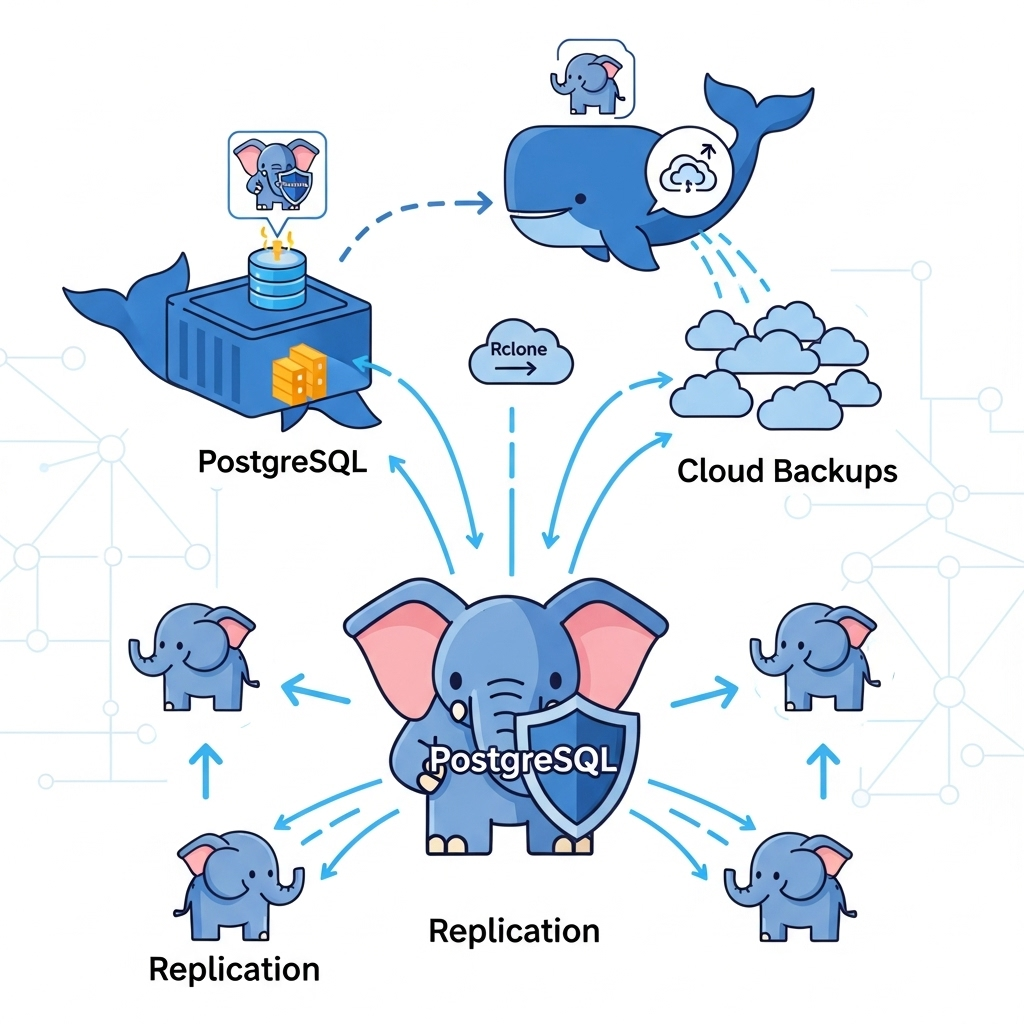
Implementing PostgreSQL Replication and Automated Cloud Backups Using Docker and Rclone
💾 In today’s fast-paced SaaS world, downtime = loss and data safety = survival. 🚀 In my latest blog, I walk through how to set up PostgreSQL replication with Docker 🐳, automate daily backups 📂, and push them securely to the cloud ☁️ using Rclone. This approach ensures high availability 🔄, fault tolerance 🛡️, and quick disaster recovery ⏱️. Perfect for growing startups and enterprise teams who want peace of mind knowing their data is always safe. 🔑

⚡ Building a Real‑Time Collaborative Form Editing System with Django Channels, WebSockets & Redis
🚀 Excited to share my latest blog exploring how to bring real-time, multi-user collaboration to web forms and dashboards! Using Django Channels ⚡, WebSockets 🛰️, and Redis 🗄️, I’ve built a system where multiple users can edit shared data and see updates instantly—complete with visual indicators 👥 of who’s editing each field and auto-sync 🔄 for dynamic changes. The post breaks down the tech stack 🧩, explains the architecture 🏗️, and provides practical tips and code examples 💻 for anyone aiming to add seamless, Google Sheets-like live collaboration to their web apps. If you’re interested in boosting your team’s efficiency through instant data sharing
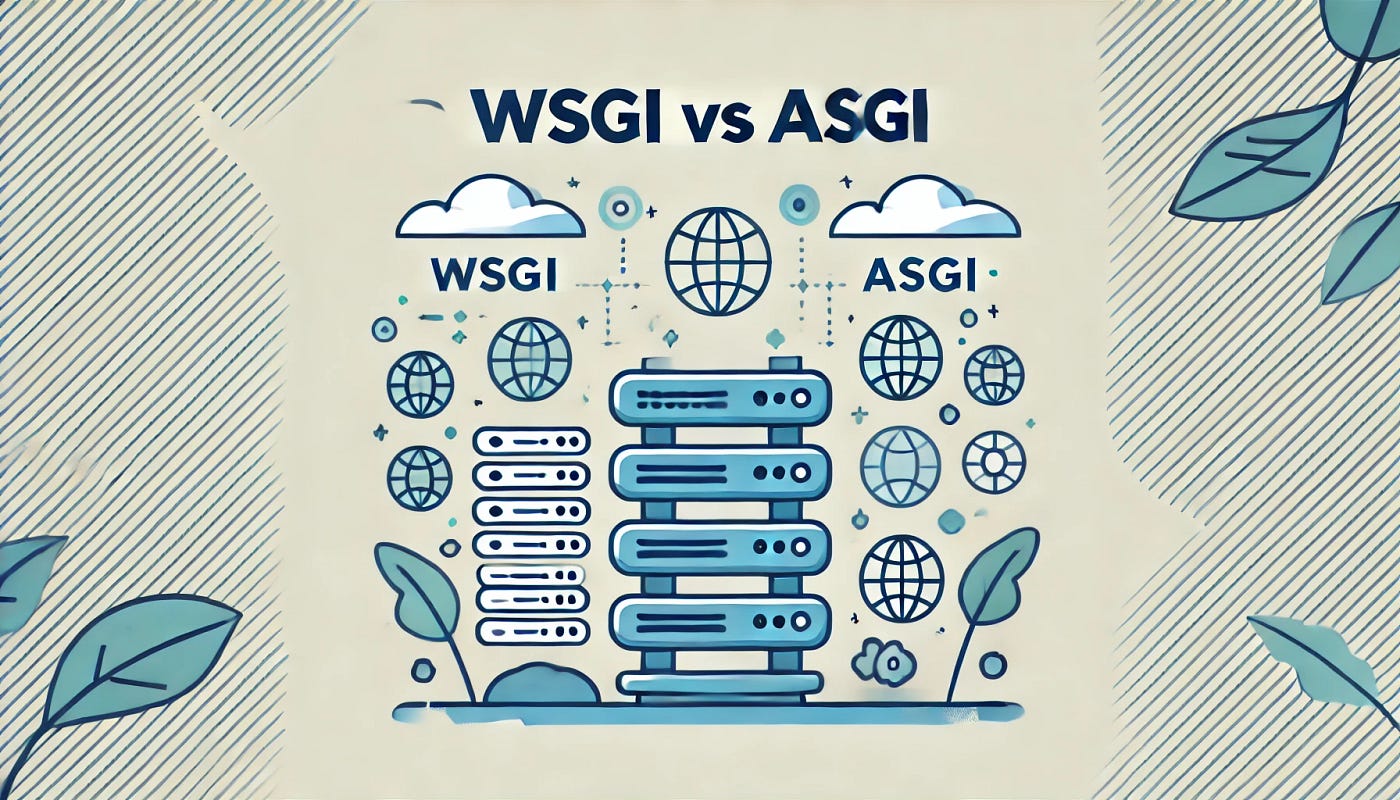
🚀 Why ASGI Over WSGI? 🔄 Solving Multi-Device Login Conflicts in Django 📱💻🛡️
🚀 Secure Your Django Sessions with Real-Time Login Notifications! Just published a deep-dive blog where I walk through how we implemented ASGI with Django, replaced WSGI for real-time WebSocket support, and used Redis as a channel layer backend to track user sessions. 🧠 Key Highlights: - Real-time detection if a user logs in from a second device 🔐 - Option to log out previous sessions automatically or notify users via a popup ⚠️ - Why we used ASGI over WSGI for async capabilities - WebSocket-based session management and notifications using Django Channels Full Docker setup and Redis configuration for production-ready deployment 🚢 If you're building multi-device support or want tighter session security, this is a must-read.